
Paint Protection Film shields your car by acting as a high-impact, thermoplastic urethane barrier that absorbs and disperses kinetic energy from road debris. Its multi-layer construction prevents rock chips, scratches, and chemical etching from reaching the factory paint, while heat-activated polymers allow the surface to “self-heal” from minor abrasions.
The Anatomy of Protection: How PPF Works
To understand the efficacy of Paint Protection Film, one must look at it as a specialized “skin” rather than a mere coating. While waxes and sealants are measured in microns and provide a chemical barrier, PPF is a physical, 8-mil-thick thermoplastic urethane (TPU) sheet. This material was originally developed to protect helicopter rotor blades from debris, and that same military-grade DNA is what protects your high-performance vehicle today.
When searching for the best Paint Protection Film in McKinney, TX, it is essential to look at the layering of the film. High-quality film is not just a single sheet of plastic; it is a sophisticated laminate. The bottom layer is an acrylic adhesive designed for a permanent bond that remains safe for removal later. The middle layer is the TPU core, which provides the actual impact resistance. Finally, the top layer is a clear coat of elastomeric polymers. This structure allows the film to stretch and conform to the complex curves of a modern luxury car while maintaining structural integrity.
The Multi-Layer Defense System
- The Clear Coat (Top Layer): This 0.5-mil layer provides the high-gloss or satin finish and contains the “self-healing” technology. It is non-porous, meaning contaminants like bird droppings and road tar cannot penetrate it.
- The Polyurethane Core (Middle Layer): This is the “muscle” of the film. This TPU layer is incredibly strong and flexible, acting as a shock absorber that spreads the force of an impact across a wider area.
- The Adhesive Layer (Bottom Layer): A specially formulated acrylic adhesive ensures the film stays put. It is designed to fill microscopic imperfections, often making the underlying paint look better than it did before application.
Technical Comparison: PPF vs. Ceramic Coating
A common question we hear from enthusiasts in the Craig Ranch is whether they should choose a coating or a film. While both have their place in a comprehensive protection plan, they serve fundamentally different purposes. A coating is like a permanent sunblock and a “non-stick” layer for your paint, while PPF is like wearing a suit of armor.
| Feature | Paint Protection Film (PPF) | Ceramic Coating |
| Primary Function | Physical Impact Resistance | Chemical & UV Resistance |
| Material | Thermoplastic Polyurethane (TPU) | Silicon Dioxide (SiO₂) Liquid |
| Self-Healing | Yes (Heat-activated) | No |
| Rock Chip Defense | Maximum Protection | Minimal Protection |
| Hydrophobic Effect | Moderate (High in premium films) | Extreme (High Surface Tension) |
| Thickness | 8 Mils | <1 Micron |
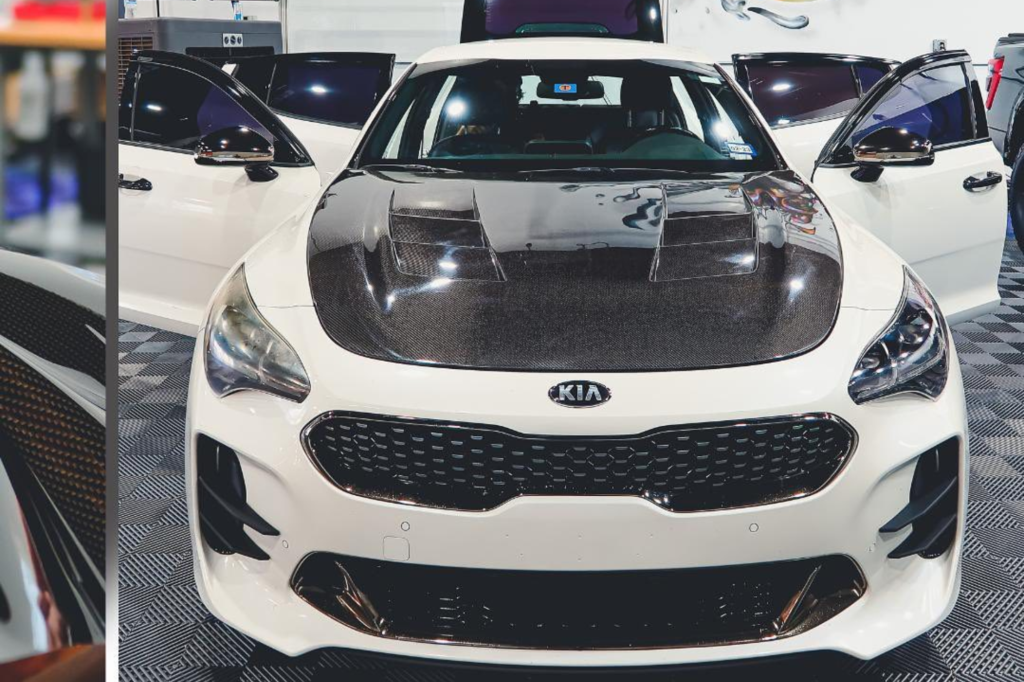
For most owners of performance or luxury vehicles, the ultimate solution is a combination of the two. We often apply McKinney Paint Protection Film to high-impact areas like the front bumper, hood, and mirrors, then apply a Ceramic Pro coating over the entire vehicle. This gives the car the physical defense of a film with the extreme gloss and ease of washing provided by a ceramic coating.
Shield Your Vehicle with Expert PPF
At MSD Auto Finish, we operate with an “obsession for perfection.” We believe that vehicle protection is a discipline that requires precision, patience, and a genuine passion for the automotive craft. Our environment is comparable to a doctor’s office; we maintain a high standard of cleanliness because dust is the enemy of a flawless film installation.
Shield Your Vehicle with Expert PPF
Every application we perform is precision-driven, ensuring clean edges and a flawless fit that feels like it was made for your vehicle alone. Our focus is on long-term protection, not just immediate shine, so every layer is built to endure daily wear, road debris, and rock chips while preserving the factory finish. Crafted with unwavering attention to detail, our process reflects the same standards and care our craftsmen apply to their own vehicles, providing results that stand the test of time.
Benefits That Speak for Themselves
With our protective films, your vehicle stays cleaner longer, maintains its original paint, and safeguards its long-term value. Clients trust our methods because we deliver consistent quality without compromise, maintain clear expectations with full transparency, and offer peace of mind through proven, reliable techniques. Every vehicle leaves knowing it’s shielded by craftsmanship, precision, and dedication that never wavers.
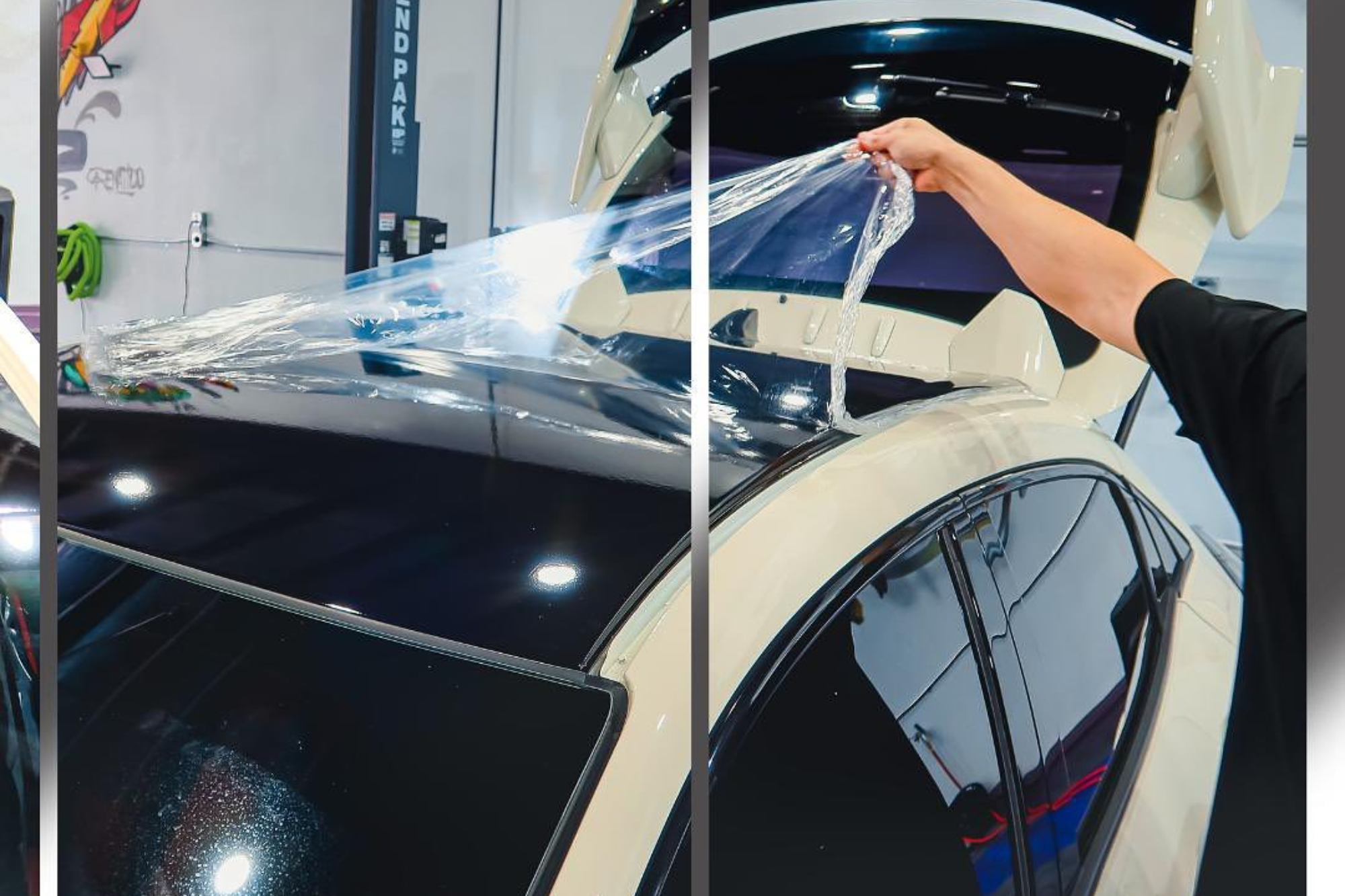
By following this artisan-level standard, we ensure that the McKinney, TX, Paint Protection Film installation is nearly invisible. We don’t just “slap” the film on; we use computerized plotters for custom patterns and manually tuck edges wherever possible to ensure a seamless look that preserves the original aesthetics of your vehicle.
Debunking the “Yellowing and Peeling” Myth
A common industry myth is that all paint protection film eventually turns yellow, cracks, and peels off, leaving a sticky mess. We frequently speak with car owners from the Stonebridge Ranch area who remember the “clear bras” of the 1990s, which were notorious for this.
This is a significant misconception based on outdated technology. Early generations of film were made from PVC or low-grade urethanes that were highly susceptible to UV degradation. Modern, high-performance films, like those we utilize as a Ceramic Pro Elite Dealer, use aliphatic polyurethane. This material is chemically stable and specifically engineered to resist yellowing even under the intense sun. When installed by a professional and maintained with basic care, these films are guaranteed to stay optically clear for a decade.
The Self-Healing Property of Modern TPU
One of the most exciting aspects of modern Paint Protection Film in McKinney is its ability to self-heal. The top elastomeric layer is designed to “remember” its original flat state. When the film is scratched by a stray car wash brush or a piece of road debris, the surface is disrupted. However, when heat is applied, either through sunlight or warm water, the polymers return to their natural orientation, effectively “zipping” the scratch shut.
This feature is a game-changer for daily drivers. It means that the micro-scratches and swirl marks that typically plague dark-colored cars are essentially eliminated. Your car maintains its “just-waxed” appearance year-round without the need for constant machine polishing, which would otherwise thin out your factory clear coat.
Schedule Your Consultation Today
Ready to give your vehicle the protection it deserves? At MSD Auto Finish, we provide a welcoming, professional environment where your car is treated with the utmost respect. From elite Ceramic Pro coatings to precision vinyl wraps and performance tuning, we are your partners in automotive excellence.
Contact us today to schedule a consultation or request a quote for your paint protection film installation. Let’s start a conversation about how we can protect and enhance your vehicle for the long haul.
People Also Ask (FAQ)
1. Can you see the film once it’s installed?
When performed by our precision-driven team, the film is almost entirely invisible. We utilize custom templates and tuck the edges behind body panels whenever possible to ensure a seamless finish.
2. How long does the installation take?
A high-quality Paint Protection Film installation typically takes 2 to 4 days. This allows for a deep clean, paint correction to ensure the surface is perfect, and the precise application and drying time needed for a flawless bond.
3. Does PPF require special maintenance?
Maintaining a filmed vehicle is actually easier than an unprotected one. You can wash it as normal, but we recommend using a pH-neutral soap. Dirt and grime release much more easily, making your weekly wash a breeze.
4. Can the film be removed?
Yes. Professional-grade film is designed to be semi-permanent. It will stay bonded for years, but if you ever decide to remove it, it can be peeled back without damaging the factory paint.
5. Does the film protect against door dings?
While PPF is incredibly strong, its primary job is to stop abrasions and rock chips. It can provide a small amount of cushion against light impacts, but it is not a substitute for careful parking when it comes to preventing heavy door dings or dents.