

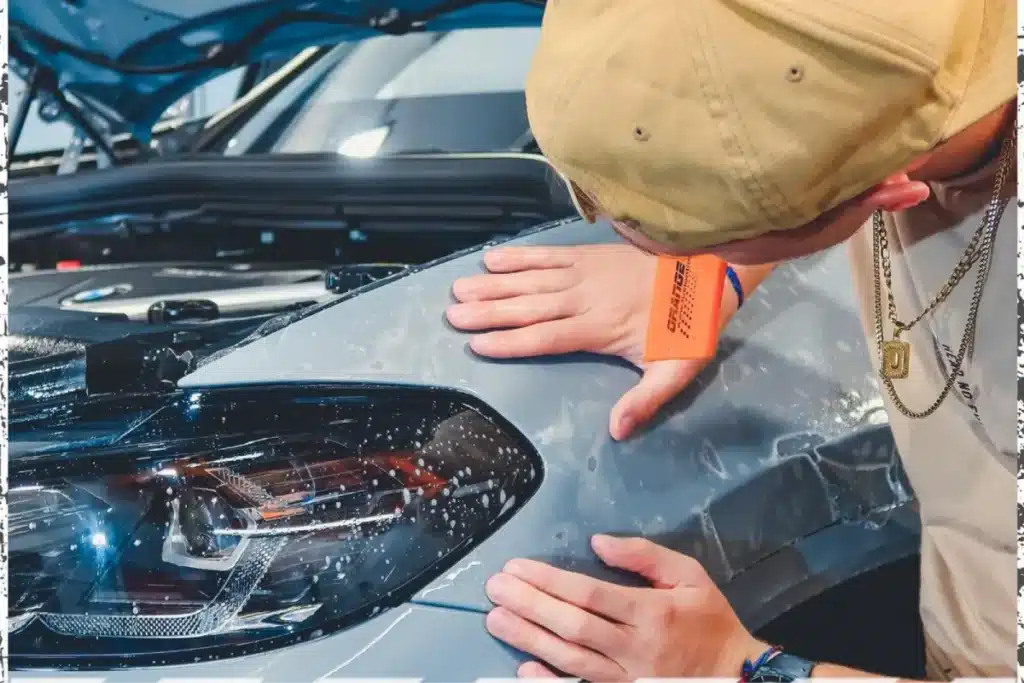
Paint Protection Film is more durable than traditional paint sealants because it is a physical, 8-mil-thick thermoplastic urethane barrier, whereas sealants are merely micro-thin liquid chemical layers. features elastomeric properties that absorb and dissipate mechanical impact energy from flying rocks, alongside a heat-activated top coat that permanently heals scratches. Because it forms a thick, structural shield rather than a temporary chemical bond, it lasts up to a decade without degrading.
Material Architecture and Structural Specifications
To fully comprehend why solid engineering outlasts liquid cosmetics, we must examine the physical blueprints of these surface treatments. Traditional detailing products rely on microscopic adhesion, while professional-grade film utilizes structural depth. When our certified installers evaluate surface protection options, they analyze the following essential physical attributes:
- Total Material Thickness (Mils): This is the direct measurement of a defensive layer’s height. Premium film features an average thickness of 8 mils (200 microns). In stark contrast, synthetic liquid paint sealants dry down to a micro-thin film layer measuring less than 0.05 mils, offering no real physical substance.
- Aliphatic Polyurethane Core: This is the flexible, highly advanced polymer base that forms the body of the film. It provides immense tensile strength, structural stretch, and severe resistance to yellowing, cracking, or breaking down under harsh outdoor conditions.
- Cross-Linked Elastomeric Top Coat: A proprietary chemical formulation making up the very top layer of the film. This polymer web possesses a unique shape-memory structure, allowing the material to self-heal fine swirl marks and wash scratches automatically when exposed to heat.
- High-Tack Copolymer Adhesive: An optically clear, non-yellowing adhesive matrix specifically calibrated to lock heavy urethane film safely onto factory clear coats. It ensures a permanent bond that prevents edge lifting while acting as a shock absorber for secondary impact forces.
The Four-Stage Sequence of Material Degradation in Liquid Paint Sealants
While liquid synthetic sealants provide a temporary boost in gloss and light water-beading performance, they lack the structural permanence required to survive continuous road exposure. Without a solid, physical structure, liquid coatings enter a rapid, compounding process of material failure:
- Solvent Loss and Setting
Immediately following application, the synthetic polymer solvents begin to evaporate. This process leaves behind a fragile, microscopic cross-linked web that completely lacks the vertical thickness needed to withstand physical friction.
- Solar Melt and Softening
As the vehicle sits exposed to intense sunlight or high engine bay heat, surface panel temperatures quickly climb. This rising thermal energy breaks apart the weak chemical bonds of the sealant layer, causing it to thin out and soften.
- Mechanical Wear and Erosion
Routine driving creates constant mechanical friction across the body panels. Highway wind pressure, rain droplet impacts, and standard wash mitt friction physically wear away and strip down the already softened liquid chemical layer.
- Total Protection Failure
Within three to six months of daily exposure, the synthetic sealant layer dissolves entirely. This leaves the factory clear coat fully exposed and defenseless against destructive rock chips, road sand pitting, and bird droppings damage.
Long-Term Shielding Performance Matrix: Solid Polyurethane Film vs. Liquid Polymer Sealants
Isolating your vehicle’s delicate finish from daily highway hazards requires a barrier that can withstand physical impact. The performance matrix below isolates how a solid elastomeric shield compares directly against temporary liquid polymer coatings over an extended timeframe.
| Performance Attribute | Solid Polyurethane Film (PPF) | Liquid Polymer Paint Sealants |
| Mechanical Stone Impact Mitigation | Absolute: The 8-mil urethane core stretches and deforms to completely absorb and dissipate flying rock impact energy. | None: The microscopic layer lacks physical mass, allowing stones to cut directly through to raw primer or bare metal. |
| Lifespan Under Continuous UV Exposure | Exceptional: Advanced UV-stabilized polymers maintain structural strength and clarity for up to 10 years. | Negligible: Solar radiation breaks the chemical polymer cross-links within 90 to 180 days, requiring constant reapplication. |
| Resistance to Heavy Chemical Etching | Impermeable: Blocks acidic bug splatters, bird droppings, and harsh road salts from reaching the underlying clear coat. | Low: Corrosive environmental acids quickly burn through the thin layer, leaving permanent etched halos in the paint. |
| Surface Self-Healing Capabilities | Infinite: Built-in elastomeric memory automatically seals over fine scratches and wash marring when exposed to warmth. | Nonexistent: Any physical scratch or swirl mark permanently cuts through the layer, requiring machine compounding to fix. |
Debunking the Myth: “Applying Traditional Paint Sealants Multiple Times Layers the Protection to Equal the Strength of PPF”
Many car owners believe that applying several layers of traditional paint sealant creates the same protection as McKinney paint protection film. In reality, liquid sealants do not build into a thick, impact-resistant barrier. Each new application partially dissolves and levels the previous layer, so the protection eventually reaches a limit rather than stacking endlessly.
Paint sealants are designed to enhance gloss and provide temporary surface protection. Paint protection film is completely different; it is a thick urethane material engineered to absorb impacts from rock chips, road debris, and everyday driving hazards. For drivers seeking true physical protection, a professionally installed system offers a level of defense that repeated sealant applications simply cannot match.
Applying Our Advanced Surface Protection Systems to Solve This
At MSD Auto Finish, we believe exceptional vehicle protection starts with precision, consistency, and attention to detail. Every project is built on trust, consistency, and results that speak for themselves, allowing us to deliver consistent quality without compromise while maintaining clear expectations and full transparency from consultation through final inspection.
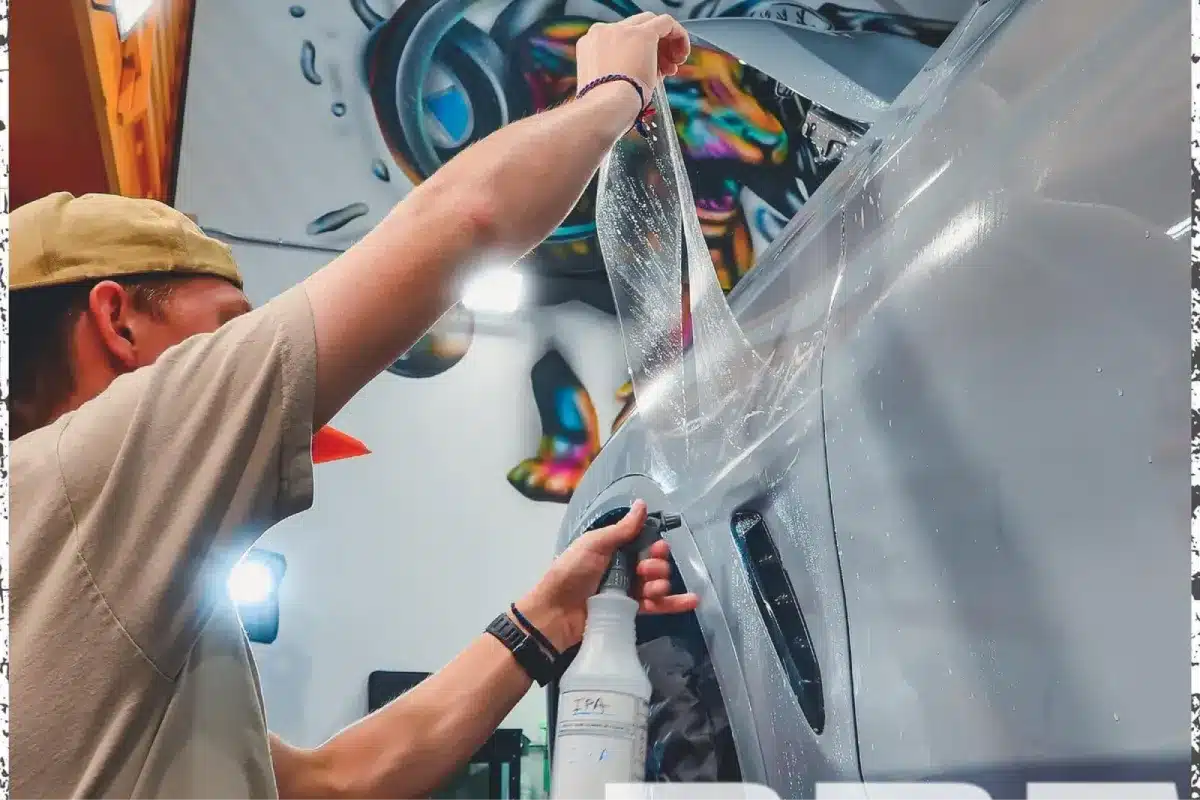
Our process begins with thorough surface preparation before every film installation to ensure proper adhesion and a seamless finish. If you’re investing in paint protection film in McKinney, our advanced installation methods protect against rock chips, road debris, and daily wear, helping preserve factory paint and long-term vehicle value without changing the appearance of your vehicle.
Every panel is carefully aligned, inspected, and finished to meet our high standards, ensuring your protection performs as intended in real-world driving conditions. This precision approach keeps your vehicle looking clean through real-world use, making maintenance easier while protecting your investment from everyday hazards.
The result is peace of mind from proven methods, a professional installation backed by proven craftsmanship, premium materials, and a commitment to delivering long-lasting protection you can trust.
Regional Environmental Pressures and Local Shielding Solutions
North Texas drivers regularly encounter road construction debris, gravel, seasonal dust, and intense UV exposure that can quickly damage unprotected paint. Investing in paint protection film in McKinney, TX helps protect your vehicle from rock chips, scratches, and everyday environmental wear while preserving its factory finish.
Professional installation makes a significant difference in both appearance and durability. Choosing paint protection film ensures your vehicle is thoroughly prepared and the film is applied in a clean, climate-controlled environment for a seamless, long-lasting finish.
At MSD Auto Finish, we begin every project with meticulous paint decontamination and surface preparation before installing premium protection. Our paint protection film services provide durable defense against daily driving hazards while maintaining the original look of your vehicle.
Whether you drive a luxury vehicle, performance car, or daily commuter, paint protection film is a smart investment that helps reduce future paint damage, simplifies maintenance, and preserves your vehicle’s appearance for years to come.
Secure Your Automotive Investment With Elite Shielding Technology
Relying on temporary liquid paint sealants to defend your vehicle against heavy stone impacts, construction debris, and harsh weather leaves your paintwork vulnerable to permanent damage. At MSD Auto Finish (Ceramic Pro McKinney), we protect your investment with premium paint protection film and precision installation, helping preserve a flawless showroom appearance while supporting your vehicle’s long-term value.
Let our passionate, highly certified team deliver the precision craftsmanship and elite-level protection your vehicle deserves. Contact us directly to schedule your custom consultation. Reach out to our team to start a conversation today and enjoy the confidence of driving a perfectly protected vehicle.
People Also Ask
Can a high-quality paint sealant stop deep rock chips on the highway as effectively as paint protection film?
No, a liquid paint sealant cannot stop rock chips because it lacks physical thickness and mass. While a sealant creates a thin chemical layer to protect against light environmental elements, paint protection film features an 8-mil-thick polyurethane core specifically engineered to absorb, flex, and dissipate the mechanical impact energy of flying highway stones.
How much longer does a single application of paint protection film last compared to a premium synthetic sealant?
A single professional application of premium paint protection film can easily last between 7 to 10 years when maintained correctly. In comparison, high-end synthetic liquid sealants break down under solar heat and friction, requiring complete reapplication every 3 to 6 months to maintain basic levels of defense.
Will paint protection film turn yellow or peel over time like old-school clear bra materials?
Modern premium paint protection films are manufactured using advanced aliphatic polyurethane chemistry, which is inherently resistant to UV radiation and yellowing. When applied by certified installers who carefully prepare, clean, and wrap the film edges, the material resists lifting, bubbling, and peeling, completely outperforming older clear bras.