
Automotive window tint can reduce interior heat without requiring extremely dark windows because heat rejection depends on the film’s construction and infrared performance, not simply its visible darkness. Modern tint technologies can target infrared energy and UV radiation while maintaining a lighter visible appearance and usable outward visibility.
How Does Window Tint Reduce Interior Heat?
Sunlight entering a vehicle contains visible light, ultraviolet radiation, and infrared energy. Infrared energy contributes significantly to the sensation of heat inside a vehicle.
Window film can reduce the amount of solar energy entering through the glass by reflecting or absorbing portions of that energy before it reaches the cabin.
The result is not that the glass becomes completely heat-proof. Instead, the film reduces the amount of solar energy transmitted through the windows, which can make the interior more comfortable.
MSD Auto Finish describes its window tint in McKinney as designed to reduce heat, block UV rays, and improve comfort, with multiple shade options. Its window-tint service also uses nano-ceramic and carbon technologies.
Does Darker Window Tint Always Mean More Heat Rejection?
No. Visible darkness and heat rejection are related differently depending on the film technology.
A darker film blocks more visible light, but that does not automatically mean it provides the highest infrared rejection. A lighter film can still provide substantial heat-reduction performance when it is engineered to manage infrared energy effectively.
This distinction is important for drivers who want a cooler cabin without significantly reducing visibility.
Visible Light Transmission vs. Heat Rejection
Visible Light Transmission (VLT): The percentage of visible light that passes through the window. Higher VLT means a lighter-looking film.
Infrared Rejection: The film’s ability to reduce transmission of infrared energy associated with solar heat.
UV Rejection: The ability of the film to reduce ultraviolet radiation entering the vehicle.
These specifications measure different characteristics. Therefore, choosing tint based only on how dark it looks can overlook important performance differences.
What Is The Best Tint Shade For Heat Reduction?
There is no single shade that is best for every vehicle or driver.
The right VLT depends on factors such as:
- Factory glass appearance
- Desired visibility
- Privacy preferences
- Local tint regulations
- Vehicle type
- Driving conditions
- Desired heat-reduction performance
A lighter film can be a practical option when maintaining visibility is a priority. A darker appearance may provide additional privacy, but darkness alone should not be treated as a measurement of thermal performance.
For drivers considering Window tinting in McKinney, TX, discussing film specifications with an experienced installer can help separate appearance from actual performance.
How Does Ceramic Window Tint Help With Heat?
Ceramic window film uses ceramic-based materials designed to provide performance without relying solely on a dark appearance.
The technology can be engineered to reject infrared energy while maintaining relatively high visible light transmission.
MSD Auto Finish states that its window tint options use nano-ceramic and carbon technology and are designed to reduce heat, UV exposure, and glare.
This makes advanced film technology particularly useful for drivers seeking a balance among cabin comfort, visibility, and appearance.
Can Light Window Tint Still Keep A Vehicle Cooler?
Yes. A tint does not need to look extremely dark to provide heat-reduction benefits.
A lighter film with strong infrared-rejection characteristics can reduce solar heat entering through the glass while allowing more visible light to pass through.
This can be particularly useful for drivers who prefer a factory-like appearance or want to preserve nighttime visibility.
For example, a vehicle regularly parked outdoors near Stonebridge Ranch may experience substantial sun exposure. Selecting film based on its performance specifications rather than shade alone can provide a more informed approach to managing cabin heat.
What Other Benefits Does Automotive Window Tint Provide?
Heat reduction is only one potential benefit.
UV Protection
Quality automotive film can reduce ultraviolet radiation entering the cabin. This can help limit exposure to UV radiation and may also help reduce long-term fading or deterioration of interior materials.
Glare Reduction
Window tint can reduce glare from sunlight and reflective surfaces. The amount of glare reduction depends on the film’s shade and characteristics.
Privacy
Darker films can make it more difficult to see into the vehicle from outside. However, privacy and heat rejection should be considered separately when choosing a film.
Interior Comfort
Reducing solar heat entering through the windows can help make the cabin more comfortable, particularly when the vehicle has been parked in direct sunlight.
MSD Auto Finish highlights comfort, privacy, and interior protection as benefits of its window tint service.
What Should You Look For When Comparing Window Films?
Instead of choosing based only on darkness, compare the film’s technical specifications.
| Factor | What It Tells You |
| VLT | How much visible light passes through |
| Infrared performance | How effectively the film manages infrared energy |
| UV rejection | How much UV radiation is blocked |
| Glare reduction | Potential reduction in harsh reflected light |
| Film technology | Helps distinguish basic dyed films from advanced constructions |
| Warranty | Indicates the manufacturer’s coverage and terms |
Looking at the complete specification sheet provides a better basis for comparison than judging samples solely by appearance.
Does Automotive Window Tint Affect Visibility?
Any film that reduces visible light can affect how the windows appear from inside and outside. The effect depends on the selected VLT, glass characteristics, lighting conditions, and film quality.
A very dark film may reduce nighttime visibility more than a lighter option.
For that reason, drivers who frequently travel after dark should consider visibility alongside privacy and heat reduction.
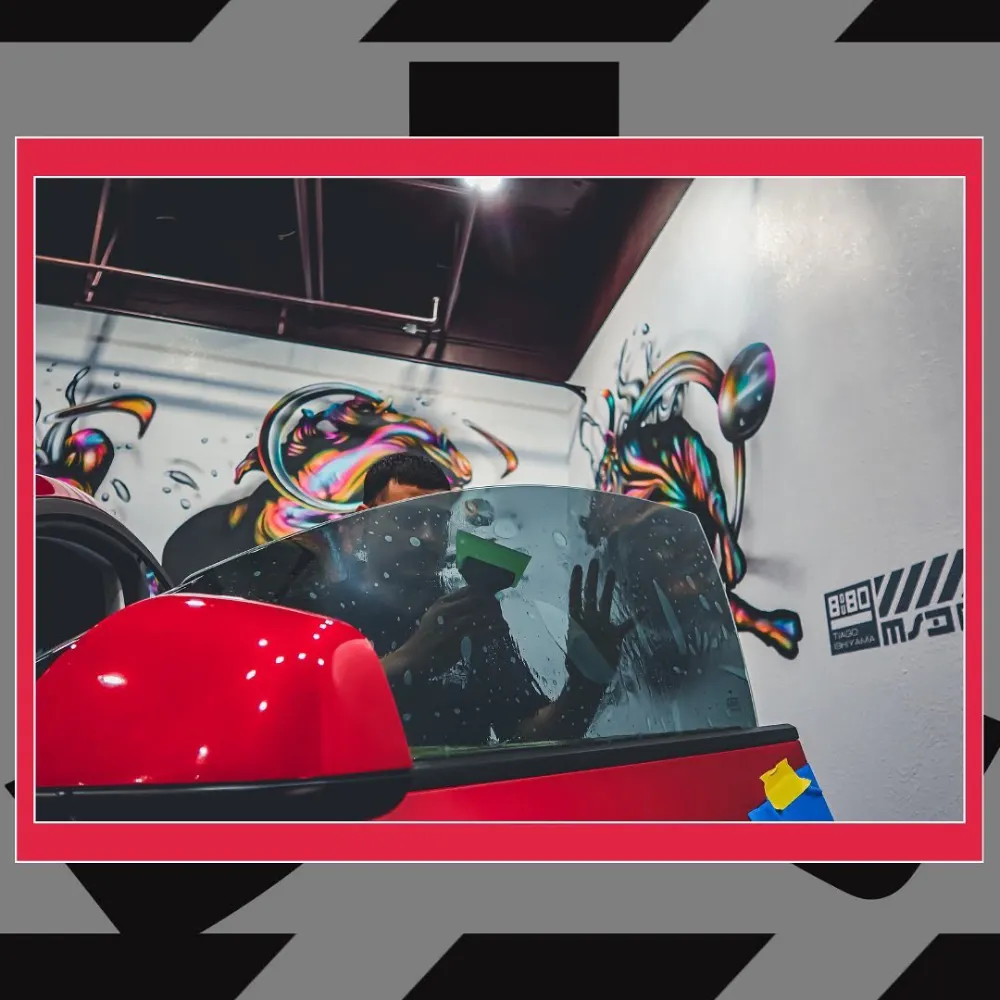
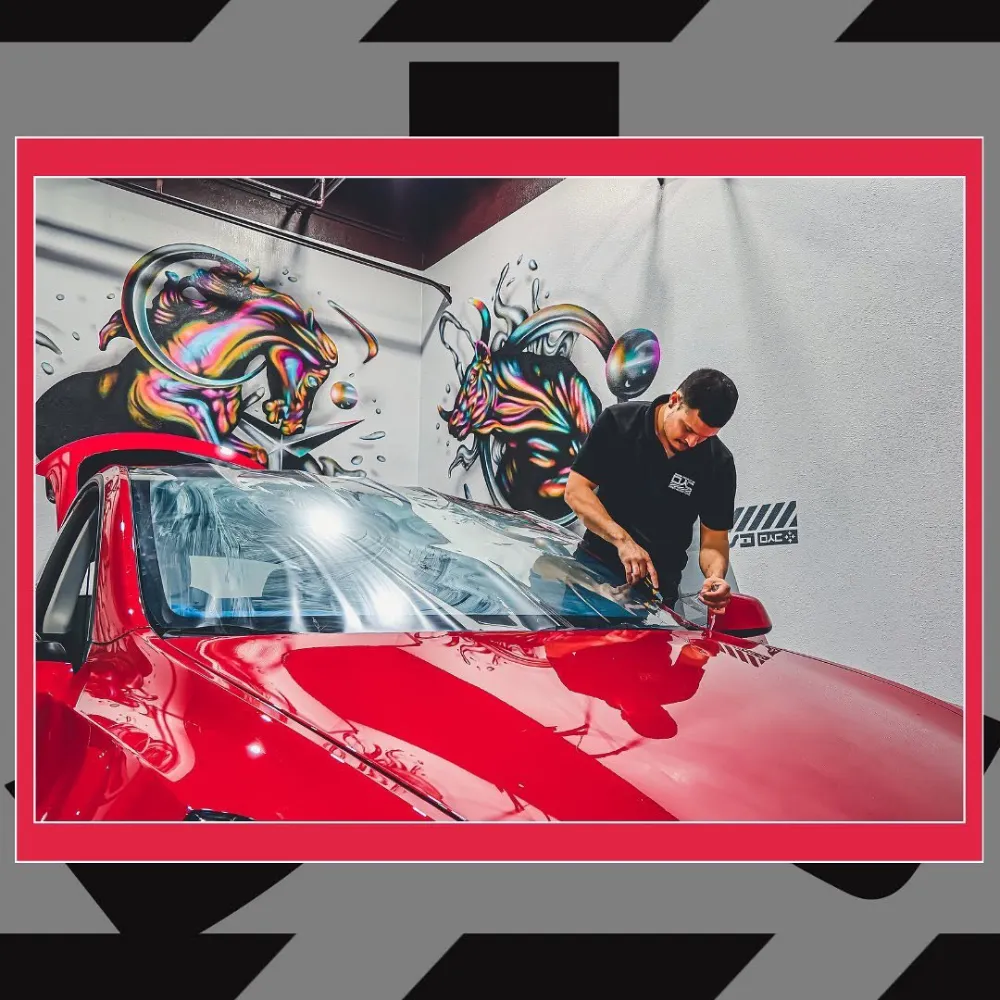
Professional installation also matters because improperly applied film can create bubbles, distortion, gaps, or other visual problems.
MSD Auto Finish states that its installers use computer-cut patterns and controlled installation conditions to achieve clean, seamless results.
A Common Myth: Darker Tint Is Always Cooler
Myth: The darkest window film automatically provides the best heat rejection.
Reality: Visible darkness and infrared heat rejection are different performance characteristics. Film technology and construction can allow a lighter film to provide meaningful thermal performance without requiring an extremely dark appearance.
This is why the technical specifications should be reviewed before selecting a film.
How Should You Choose The Right Tint?
A practical selection process includes these steps:
- Determine your main goal. Decide whether heat reduction, privacy, glare reduction, UV protection, or appearance is most important.
- Check the available VLT options. Choose a shade that fits your visibility and appearance preferences.
- Compare heat-rejection specifications. Look beyond visible darkness.
- Consider your driving habits. Frequent nighttime driving may favor a lighter option.
- Check applicable regulations. Tint laws can vary by window and vehicle type.
- Choose an experienced installer. Proper preparation and application affect the finished result.
For vehicle owners around Craig Ranch, this approach can help ensure that the selected film meets both comfort and visibility expectations.
Does Professional Installation Matter?
Yes. Even high-quality film can produce poor results when it is installed incorrectly.
Professional installation involves accurate film cutting, thorough glass preparation, careful positioning, and proper application techniques. Clean installation helps minimize bubbles, gaps, contamination, and visual distortion.
MSD Auto Finish identifies precision, preparation, and inspection as important parts of its broader automotive protection process.
For drivers researching McKinney, TX Window tinting, evaluating the installer is therefore just as important as comparing the film itself.
Final Takeaway
Automotive window tint can reduce interior heat without making windows excessively dark because heat rejection and visible darkness are separate performance characteristics. Advanced films can reduce infrared energy while maintaining a lighter appearance and useful visibility.
The best choice depends on your vehicle, driving habits, preferred appearance, and the film’s technical specifications. For drivers considering professional Window tinting in McKinney, the focus should be on selecting the appropriate VLT and performance characteristics rather than simply choosing the darkest available film.
MSD Auto Finish offers professional window tinting, paint protection film, ceramic coating, auto detailing, paint correction, vinyl wrap, and other vehicle protection services.
If you want a cooler cabin without an unnecessarily dark appearance, contact us today to discuss the window film options that best match your vehicle and driving needs
People Also Ask
Does darker tint block more heat?
Not necessarily. Heat rejection depends on the film’s construction and infrared performance, not only its visible darkness.
Can clear or light window tint reduce heat?
Yes. Advanced films can reduce infrared energy while maintaining higher visible light transmission than very dark films.
Does window tint protect a car’s interior?
Window film can reduce UV radiation and solar exposure, which may help protect interior materials from long-term exposure.
Is ceramic tint better for heat rejection?
Ceramic films can provide strong infrared-rejection performance without relying entirely on a dark appearance, but specifications vary by product.
How do I choose the right window tint?
Consider VLT, infrared performance, UV rejection, glare reduction, visibility needs, local regulations, and installation quality rather than choosing by darkness alone.