


To safely peel off old windshield protection film without leaving glue, apply controlled thermal energy using a commercial steamer to soften the pressure-sensitive adhesive layer beneath the film. Once the adhesive reaches an optimal temperature, pull the film slowly and uniformly at a steep 45-degree angle away from the glass. This disciplined technique preserves the structural integrity of the glass substrate, prevents mechanical glass scratching, and ensures the adhesive releases cleanly from the windshield surface without tearing.
Technical Specifications of Windshield Protection Systems
Before initiating the extraction of a degraded exterior shield, professional technicians analyze the molecular engineering of structural windshield protection films (WPF). These specialized laminates differ significantly from interior window tints:
- Multi-Layer Polyethylene Terephthalate (PET): A highly dense, impact-resistant polyester composite designed to absorb high-velocity stone strikes and distribute localized kinetic energy.
- Hydrophobic Hardcoat Layer: An advanced fluoropolymer outer coating that repels rain, resists chemical wiper blade abrasion, and blocks destructive ultraviolet (UV) radiation.
- High-Tack Pressure-Sensitive Adhesive (PSA): A specialized optical adhesive formulated to withstand extreme shear forces and wind resistance while remaining perfectly clear under thermal expansion.
- Acoustic and UV Insulation Index: The structural rating indicating the film’s capacity to damp cabin vibration and block up to 99% of solar degradation without affecting cellular or GPS signals.
The Four Phases of a Clean Windshield Film Extraction Protocol
Removing a weathered exterior glass shield without leaving a dense, smeared layer of industrial glue requires a systematic thermal release procedure. Forcing the film off cold will shear the adhesive layer, permanently bonding the glue residue to the glass matrix.
- Surface Cleaning and Perimeter Inspection: Preparation Phase.
The windshield is thoroughly washed to remove abrasive road grit and wiper debris. Technicians inspect the film perimeter to find an intact edge, ensuring no razor blades touch the glass during the initial lift.
- Targeted Commercial Steam Infusion: Thermal Release Phase.
A commercial detailing steamer introduces deep, wet heat across the starting corner. The steam safely penetrates the PET layers, lowering the viscosity of the high-tack PSA adhesive without thermal-shocking the glass.
- Constant 45-Degree Angular Extraction: Mechanical Peeling Phase.
Once the adhesive softens, the film is pulled slowly at a sharp, acute 45-degree angle back against itself. Technicians maintain a slow, steady pace, keeping the steam focused directly at the separation point.
- Chemical Adhesive Matrix Breakdown: Decontamination Phase.
Any residual trace oils are treated with a specialized citrus-based or isopropyl alcohol solvent. The softened matrix is safely wiped clean using a high-GSM microfiber towel, leaving the glass optically perfect.
Comparison Matrix: Film Removal Methods vs. Glass Safety
Selecting the correct extraction mechanism determines whether the windshield remains pristine or suffers deep mechanical scratches and adhesive crystallization.
| Removal Technique / Tooling | Efficiency Rating | Structural Risk to Windshield Glass | Residual Glue Footprint |
| Commercial Steamer + 45-Degree Pull | Exceptional | Zero Risk: Safely dissolves adhesive bonds using gentle, moisture-rich thermal energy. | Minimal to none; the adhesive matrix stays attached to the film backing. |
| Dry Heat Gun + Rapid High Pull | Moderate | High Risk: Extreme dry heat can stress laminate glass layers or bake the glue permanently. | Severe causes the adhesive to split, leaving hardened, brittle streaks. |
| Metal Razor Blades + Chemical Solvent | Poor | Critical Risk: Slid blades easily gouge, scratch, or pit front windshield glass surfaces. | High turns the remaining glue into a sticky, smeared sludge across the view panel. |
| Cold Pulling (No Heat) | Unsatisfactory | Low Risk, Heavy physical strain can occasionally cause micro-fractures on existing chips. | Maximum: tears the film away from the glue base, leaving 100% of the adhesive layer behind. |
Debunking the Myth: “Any Industrial Solvent Can Be Used to Clean Windshield Glue”
A dangerous and widespread misconception within the automotive community is that any heavy industrial solvent, such as acetone, lacquer thinner, or harsh paint strippers, is perfectly safe for cleaning residual adhesive off a front windshield. Many car owners assume that because glass is chemically non-porous and highly resilient, soaking the panel in aggressive household chemicals will quickly melt away leftover glue without causing harm.
In reality, while these chemicals may not dissolve the glass itself, they pose a critical threat to the surrounding vehicle components. Aggressive volatile solvents rapidly melt, warp, or discolor the rubber weather stripping, plastic cowl panels, and specialized urethane seals that hold the windshield securely to the vehicle frame. Furthermore, if the solvent runs down the glass perimeter, it can permanently damage the vehicle’s exterior paint finish or degrade the internal PVB (polyvinyl butyral) safety layer inside the laminated glass structure. Professional extraction relies on targeted, localized heat and safe, paint-safe citrus emulsifiers instead.
Applying Our Elite Structural Standards to Solve This
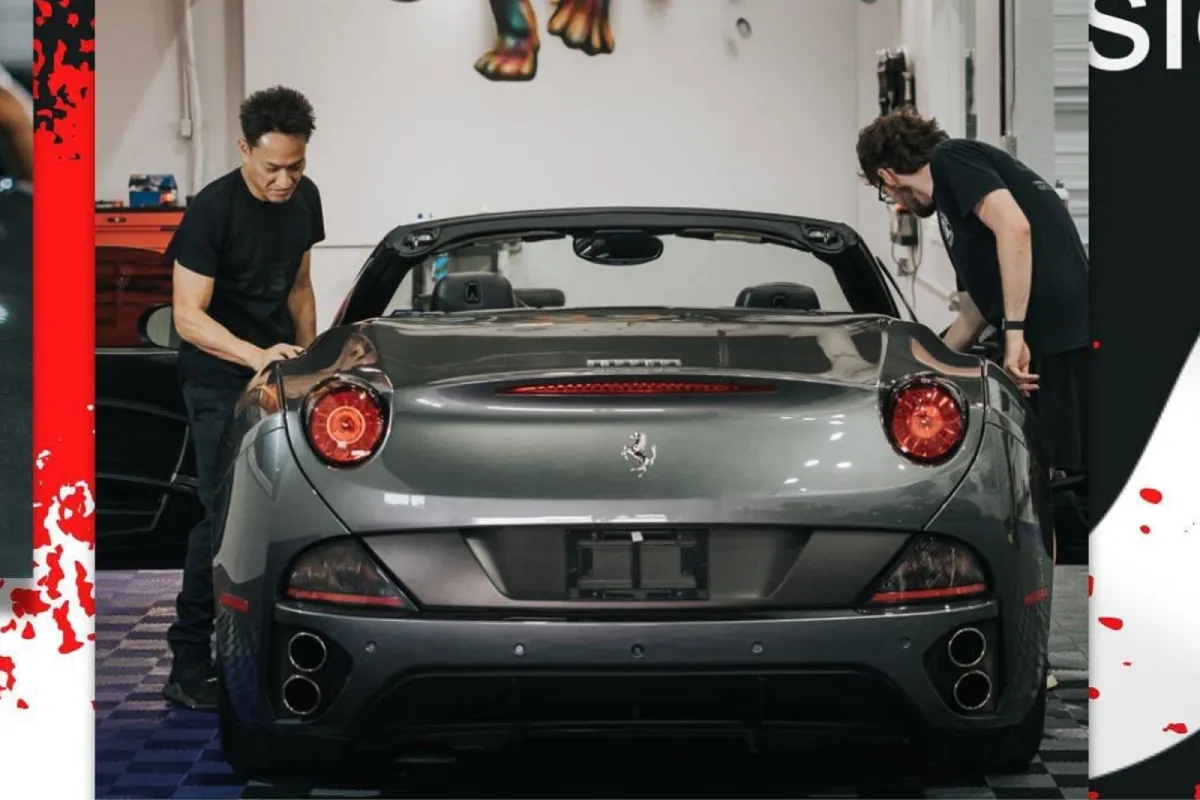
Restoring total optical purity to your vehicle’s forward vision without damaging sensitive glass laminates requires advanced thermal discipline, proper tooling, and uncompromised precision. At MSD Auto Finish, we treat automotive preservation with the same level of discipline and cleanliness you would expect to find in a pristine medical environment. Our shop culture is built on an obsession for perfection, ensuring every customer feels confident, excited, and entirely reassured about trusting their valuable investment to our care.
Every project we execute is designed to deliver a pristine finish. Our advanced window care philosophy relies on solutions engineered to absorb rock chips and road debris, maintaining complete clarity that doesn’t affect visibility. Our master technicians provide a trusted defense with a precision fit, utilizing premium materials that are built for longevity, not just looks. Our protective systems significantly reduce repair costs from impact damage, ensuring your glass maintains optical clarity and safety while enhancing long-term windshield durability.
By controlling thermal energy precisely during the peeling process, we guarantee the underlying glass remains completely untouched and beautifully clear. We operate under a strict framework built on trust, consistency, and results that speak for themselves. This means you receive consistent quality without compromise, clear expectations, full transparency, and the absolute peace of mind that comes from proven methods. Whether installing a new shield or peeling back an old one, we ensure the glass remains completely unblemished.
Regional Climate Demands and Structural Glass Maintenance
Vehicles operating in the North Texas region face distinct environmental stressors that accelerate the degradation of exterior automotive films. Commuters traveling the high-velocity stretches connecting Prosper, Frisco, and Plano are well aware of how relentless solar heat, seasonal hailstorms, and heavy highway construction gravel impact forward-facing glass. Under the intense Texas sun, an aging protective layer can become brittle, causing the structural adhesive underneath to crystallize and bond aggressively to the glass panel.
Allowing a weathered film to bake onto your vehicle indefinitely results in major optical distortion and blind spots from wiper trails. Choosing specialized windshield protection film in Frisco, TX, allows local car enthusiasts and luxury owners to safely refresh their clarity before the removal process becomes high-risk. Our certified technicians understand how regional UV exposure affects polymers, utilizing wet steam to lift degraded materials without thermal-shocking the safety glass.
Scheduling a systematic evaluation for windshield protection film in Frisco is a critical strategy for maintaining peak visibility across the metroplex. At MSD Auto Finish, our elite team ensures that old adhesives are chemically emulsified rather than aggressively scraped away. Utilizing a professional standard means avoiding the permanent micro-pitting and scratch marks that low-quality retail scraping tools leave behind.
Ultimately, investing in a professional setup for Frisco windshield protection film replacement guarantees your vehicle maintains its factory-new appearance and long-term asset value. By transitioning your vehicle through a precise, controlled decontamination and extraction cycle, local drivers can step back into their cabins with absolute pride, completely insulated from road hazards and visual glare.
Restore Complete Clarity and Defense to Your View
Allowing degraded, scratched, or yellowed windshield film to obscure your view creates dangerous glare and compromises your driving safety. At MSD Auto Finish (Ceramic Pro McKinney), we safely remove worn protective films and restore crystal-clear visibility through precision workmanship, expert chemical control, and meticulous installation practices that protect both your vehicle and your driving experience.
Bring flawless visibility and absolute confidence back to your daily drive. Contact us today. Whether you are looking to refresh an existing glass layer or require a complete ceramic, vinyl, or paint protection strategy, reach out to our team to start a conversation and experience craftsmanship executed at the highest professional level.
People Also Ask
How can I tell if my windshield film needs to be removed and replaced?
Windshield protection film should be replaced if you notice severe wiper trail scratching, cloudiness, or a loss of optical clarity that impairs nighttime visibility. Physical signs like peeling edges, bubbling along the perimeter, or localized yellowing from intense UV degradation also indicate that the film has reached the end of its functional lifespan.
Will removing the old protective film damage the integrated windshield heating elements?
No, removing exterior protection film will not damage integrated windshield heating elements or heads-up display (HUD) systems, because these components are sealed safely inside the internal laminated layers of the glass structure. However, proper thermal techniques must still be used to ensure no excessive physical prying forces strain the glass.
Can I reuse a windshield protection film after peeling it off safely?
No, windshield protection film cannot be reused once it has been peeled off. The mechanical stretching that occurs during extraction deforms the PET structure, and the pressure-sensitive adhesive layer is permanently destroyed during the thermal release process. A fresh sheet of film must be cut and formed for any reinstallation.